
Did You Know?
Stroke has a Seasonal and Daily Pattern – What can you do about it?
December 10, 2025
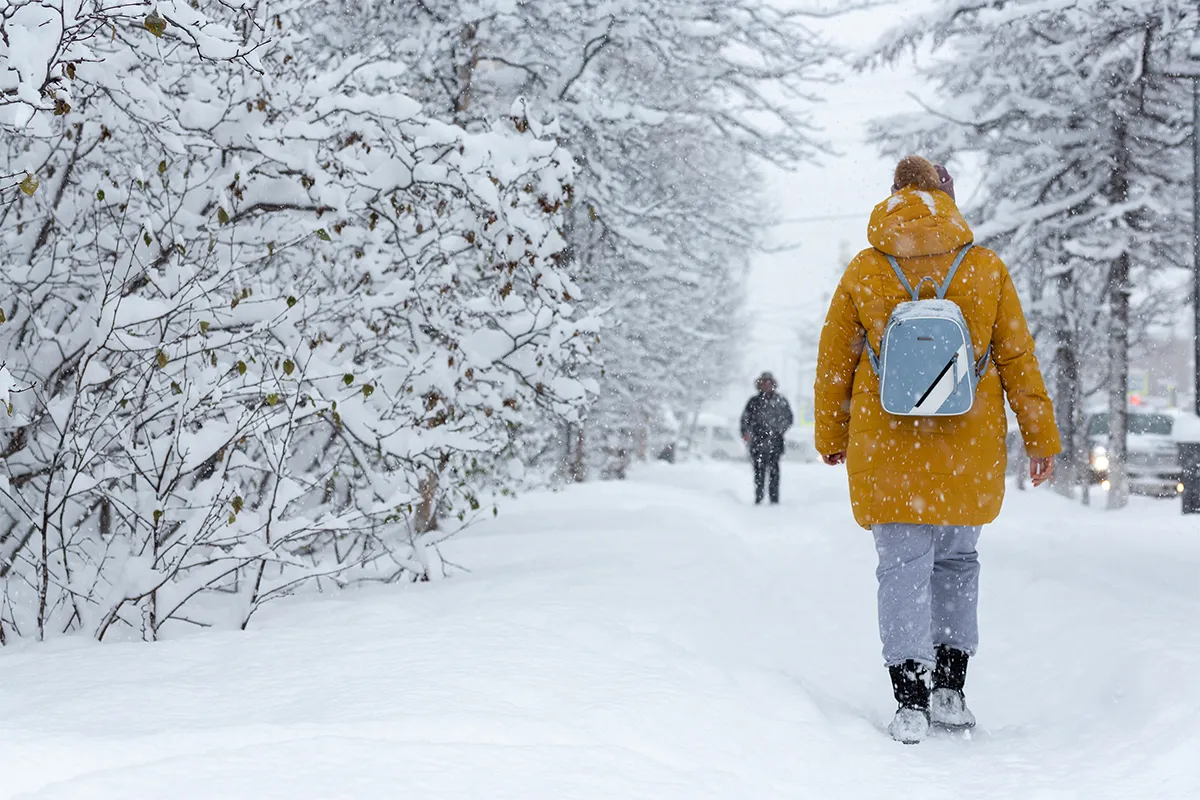
While you might sit at home enjoying the winter season, this beautiful time of the year is also peak season for strokes.1 In general, one in four people will suffer a stroke in their lifetime and every year, nearly 12 million people worldwide suffer a stroke, causing 7.3 million deaths annually, making it the second leading cause of death worldwide.2
One of the main risk factors is hypertension. For patients with uncontrolled hypertension despite lifestyle changes and medication—or those who cannot tolerate medication or have high CV risk — Ultrasound Renal Denervation offers an adjunctive treatment option.
That means while stroke can happen at any time, research shows it’s that there are some common times: In the morning, on Mondays and around the holidays in wintertime.
Why in the morning?
Strokes usually occur in the morning. According to an article published in the AHA Journal, the 40-year Framingham Study showed that most strokes occur between 8 and 11 am.2 In line with this finding, there are the terms “wake-up stroke” and “stroke of unknown onset,” which are only noticed upon waking up and also take place in the morning hours. There are also data suggesting that endogenous factors, all having demonstrated a temporal variation, such as blood pressure (BP – with physiological nocturnal decrease and morning increase), autonomic system activity (with activation of the sympathetic nervous system after the wake-up moment) and hemostatic balance (with increased platelet aggregability, hypercoagulability and hypofibrinolysis in the morning), can influence the susceptibility to stroke or can even have a triggering role.3,4

Why on Mondays?
The “Framingham Study” also found out, that the most common day of the week to have a stroke is Monday. In fact, for intracerebral hemorrhages, one-third occurred on a Monday. Reason might be both, the stress of returning to work and poorer health decisions over the weekend, with more alcohol consumption, less sleep and higher probability of choosing salty and fatty foods—as potential explanations for the Monday trend.2,3
Why in the winter?
It might be a combination of all to increase the risk:
People have unhealthy holiday habits like consuming more alcohol and eating salty, fatty, and sugary foods during festive celebrations.
The temperature in winter usually drops a lot and is colder: Drop of temperature cause blood vessels to constrict and blood to clot more easily, which can reduce blood flow to the brain.5
Holiday Season can also mean stress and disrupted routines: If emotional or financial stress or stress with travel and irregular sleep patterns – all these things which can contribute to stroke risk.6
So keep enjoy winter season but keep an eye on blood pressure and medication, knowing that going to a sauna regularly may help to decrease the risk the stroke in winter.7
Sources:
- SO Global Stroke Fact Sheet 2025 [journals.sagepub.com]
- Temporal Patterns of Stroke Onset | Stroke
- Circadian Variation in the Timing of Stroke Onset | Stroke
- Circadian Variation of Stroke Onset: A Hospital-Based Study – PMC
- Rapid weather changes are associated with increased ischemic stroke risk: a case-crossover study | European Journal of Epidemiology
- Christmas, acute ischemic stroke and stroke-related mortality in Hungary – PubMed
- Sauna bathing reduces the risk of stroke in Finnish men and women | Neurology
March 16, 2026
For World Kidney Day: Why the kidney is central to blood pressure control and how hypertension and chronic kidney disease drive each other in a harmful cycle.
September 22, 2025
A new clinical trial reveals that something as simple as arm position can skew blood pressure readings by up to 6.5 mm Hg — enough to misdiagnose hypertension or trigger unnecessary treatment. Find out what the study uncovered and why proper technique matters more than ever.
June 26, 2025
Back in March, we saw the publication of our second health economic analysis of the cost-effectiveness of Ultrasound Renal Denervation (uRDN) for the treatment of resistant hypertensive patients.